
Why Should I Hire a Civilian Military Attorney?
Let’s address the obvious: if the government provides you with a free attorney, why should you pay for one when facing allegations under the Uniform Code of Military Justice…

Adverse Privileging Actions for Providers Operating within the DoD Health Network
Have you received notice of an abeyance? Is the military looking into claims that you did something improper regarding the medical care you provided to your patients? While it is…

When Do I Need a Special Education Lawyer?
Ensuring access to necessary services and accommodations for parents and guardians striving to secure the best possible education for their children with disabilities often…

New York Legislators Stand-up to Squatters: How Squatters and Squatter’s Rights Cases in New York Could Be in for Big Changes.
Property ownership in New York can be complicated, especially when you choose to rent or leave your property empty for extended periods of time throughout the year. Specifically,…
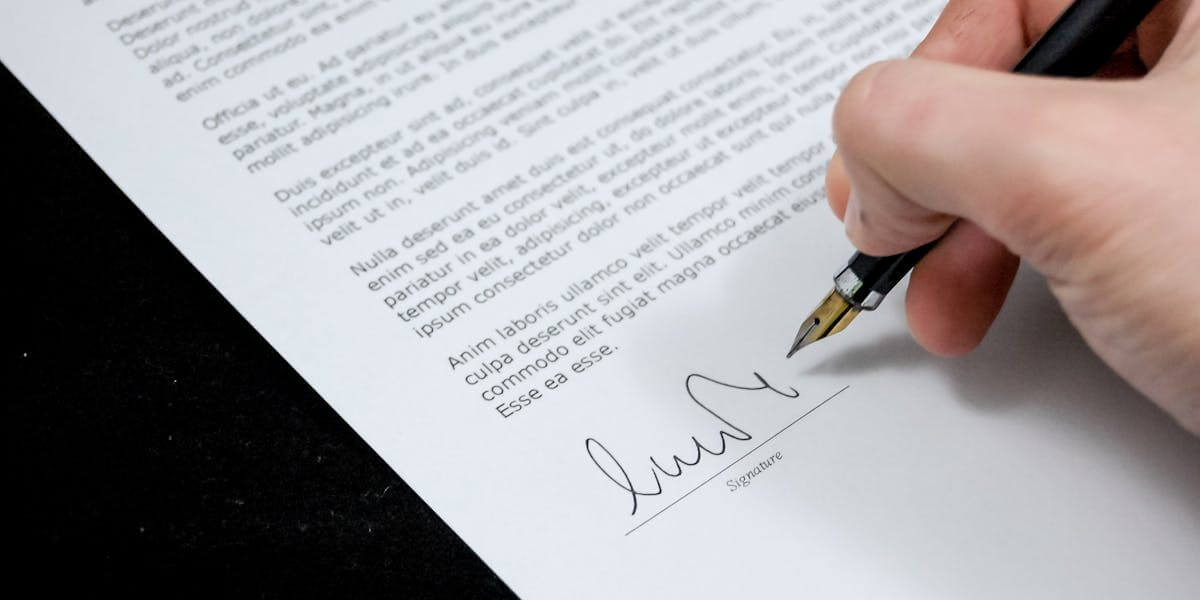
Guide to Special Immigrant Juvenile Status (SIJS)
Special Immigrant Juvenile Status (SIJS)—or commonly known as Juvenile Visa—is an immigration relief law in the United States that helps protect immigrant children from being…

Legal Considerations for Developing an Effective Individualized Education Program (IEP)
When developing an Individualized Education Program (IEP) for a student, there are many legal considerations that must be accounted for to ensure that the IEP is effective. The…

I Broke the Law; Can I Still Obtain a Security Clearance?
Many security clearance applicants are stuck with the dilemma of having to disclose embarrassing and sometimes illegal behavior that they hoped to keep secret. Some have secretly…

Making Sure the “House” Wins: How Sports Gambling Can Negatively Impact Your Family Relationships
On the two-year anniversary of mobile sports wagering being allowed in New York State, Governor Kathy Hochul announced earlier this year that, in total, New York has collected…

Don’t Press Your Luck This St. Patrick’s Day—What You Need to Know About NYS’s DWI/DUI Laws
In an effort to combat drunk and impaired driving, New York State police and local law enforcement are anticipated to increase patrols this St. Patrick’s Day. Drivers should…
Who is Required to Participate in an Individualized Education Program (“IEP”) Meeting?
An Individualized Education Program (IEP) is the cornerstone of what services and goals are to be provided to a student with a disability. IEPs are a living and breathing document…