ITHACA, N.Y. (Spectrum News 1) — The high-profile Cornell gang rape allegations have shined a spotlight on sexual assaults on college campuses. The latest case involves a former West Point cadet, Caleb Suh, who was convicted of drugging his then-girlfriend, identified as Jane Doe, in her barracks; giving her abortion pills against her will; and causing a miscarriage. Suh would leave West Point shortly after.
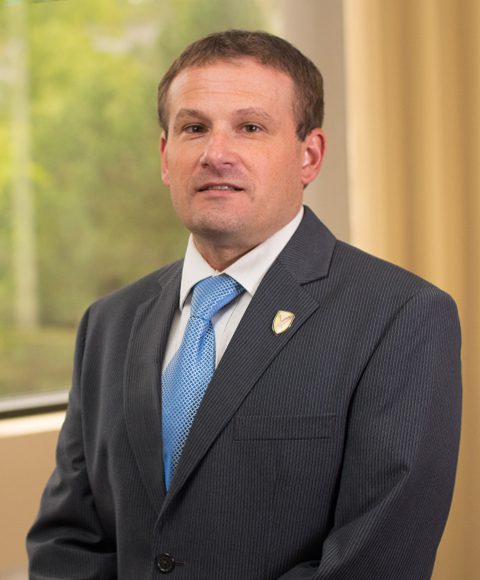
“It doesn’t appear that he was charged or disciplined there, which was odd,” said Greg Rinckey, a founding partner of the Tully Rinckey law firm. “Now it appears that he is in good standing with West Point and could come back. But all of that has been kind of unconfirmed at this point, but that is a little bit suspicious because the incident took place while he was a cadet. And when you’re a cadet, you’re pretty much active duty military at that point as to why he was not charged under the Uniform Code of Military Justice.”
In June, Suh pled guilty to the March 2022 assault and is awaiting sentencing. But in the years between, Suh left West Point and transferred to Cornell. In September, he started a master’s program at Columbia.
Cornell said that Suh’s application asked him if he’d been found responsible for a disciplinary violation at a prior educational institution, and he said no. He also worked at the medical college for a short time, but according to the university, left several months ago.
Rinckey says that colleges can ask about incoming students’ prior disciplinary issues or convictions, but that’s not required by law.
“They do have to report serious disciplinary actions,” he said. “As far as criminal actions, they do not. However, oftentimes schools do publish crimes that are occurring within their campus, and a lot of times that would be covered within their criminal reports that they’re required to publish once a year to their students into the community.”
The Jane Doe in the Suh case has since filed a civil suit against him.
Rinckey says schools cannot currently ask about your criminal history during the admission process.
“They can only ask after you’ve been accepted, and before you are admitted, they can then ask about your criminal history,” he said. “So the move has been to be more protective of disclosing criminal history. However, now, after what’s happened at Cornell, is it going to swing back the other way? It very much likely could.”
Spectrum News 1 reached out to both West Point and Columbia University. West Point has not returned a request for comment and Columbia declined to issue a statement.