WASHINGTON, D.C. (FEDweek) — An Interior Department facility violated the protections of three employees against religious discrimination when it denied their requests to be exempted from the Coronavirus vaccine mandate using a process that involved “gotcha-style questioning” of the sincerity of their religious views, the EEOC has said.
The decision from the EEOC’s Office of Federal Sector said that a violation occurred even though shortly after the mandate was issued in late 2021, a federal judge issued an injunction against it, just as agencies were preparing to enforce it. The injunction stayed in effect through numerous appeals until the mandate—which provided for disciplinary action up to and including firing unless employees were excepted for medical or religious reasons—was dropped two years later.
The employees of a BIA school who brought the case had been faced with firing after the agency denied their requests, which cited their opposition as Christians to use of fetal stem cells in developing the vaccine. The agency decision came after the employees had been called before a panel of officials who asked in detail about those beliefs and required that they sign an acknowledgement that those types of cells had similarly been used in the development of some two dozen common medications.
The decision said that under the Civil Rights Act, “a process to handle religious accommodation requests needs to provide employees with a non-adversarial forum to support their request and receive a reasonably prompt decision.” While the employees did receive the latter, “they were summoned to an inquisitorial panel to be quizzed and lectured on their medical history and knowledge of other medicines derived from human fetal cells.”
“We are persuaded that the crucible of invasive gotcha-style questioning was a thinly veiled, and discriminatory, attempt to expose supposed hypocrisy and convince Complainants to recant their objections”—and which would have been a Civil Rights Act violation even if the agency had granted their request—it said.
It added: “This is not to say that an employee’s asserted religious views evade all scrutiny. Measured, non-adversarial inquiry may be appropriate to help the employer fully understand the contours and sincerity of the employee’s religious beliefs and practices.”
The decision said that while the law does not require a religious accommodation that would impose an “undue hardship” on the employer, “in many cases, the pertinent question is whether there is a reasonable alternative to the employment requirement that does not conflict with the employee’s religious practice and does not impose” such a hardship.
“So while the Agency might end up being right that it was not required to simply exempt Complainants from vaccination, full stop, that still leaves the question whether an alternative existed that would meet both Complainants’ religious needs and the Agency’s safety needs,” it said.
The decision said that such an alternative existed—requiring the employees to wear masks and regularly testing them—and that the agency failed to show how that would have been less effective than vaccination and that the cost would have been a burden. It ordered the agency to reverse its decision; determine whether the employees are entitled to compensatory damages and pay them if so, along with attorneys’ fees; post a notice of its decision at the school; and other steps.
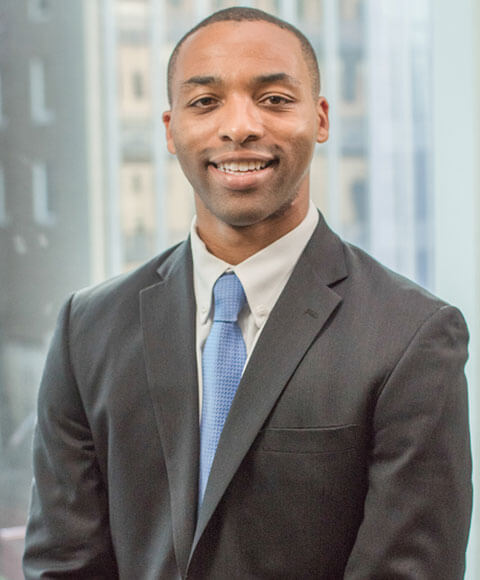
Michael Fallings, managing partner at the Tully Rinckey PLLC law firm—which did not represent the employees—said the decision “provides strict scrutiny for any future employer mandate. It also provides precedent for findings of sincere religious beliefs. It expands what can be found as a sincerely held religious belief.”
He said that the decision can help employees seeking other types of workplace accommodations on religious grounds–such as requests to change work schedules for an observation—by “establishing that the burden employers must show to deny these accommodations.”