
Special Needs Trusts in New York: Protecting Benefits While Planning for the Future
Future planning by families of individuals with disabilities should involve safeguarding access to public benefits while also providing for quality of life and personal dignity,…

The Benefits of Estate Planning for Young and Old in New York
Estate planning is not confined to the elderly or individuals with substantial assets, although it is a common misperception Individuals aged 18 to 54 are among the largest group…
Surprise Heirs and Estate Planning in New York State
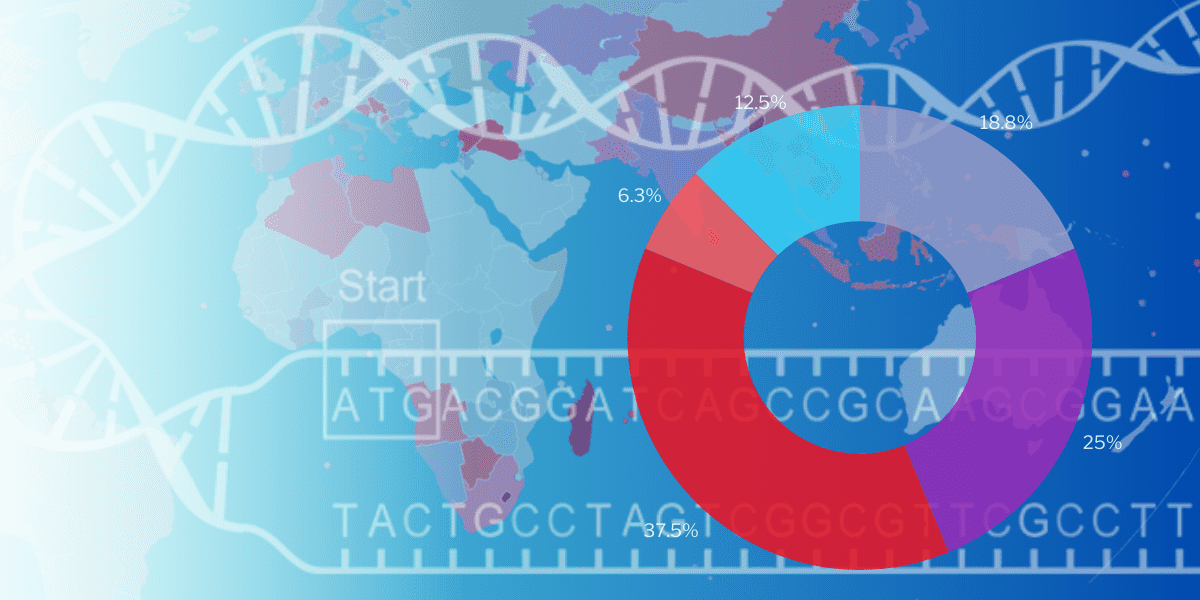
The rising popularity of at-home DNA testing kits is bringing consequences to an area its many users might not have anticipated: estate planning. Online services such as 23andMe…

Medicaid Planning in New York: Protecting Assets for Long-Term Care
Long-term care in New York is, without a doubt, very expensive. Some nursing homes charge over $15,000 per month; home care and assisted living aren’t far behind. Medicaid helps…

What is ‘Gray Divorce’ and How Can It Affect Assets and Retirement Planning?
More couples in their 50s, 60s, and beyond are choosing to end their long-term marriages, commonly referred to as “gray divorce.” Statistics about gray divorce, according to…

How to Contest a Will in New York: Legal Grounds and Process
In New York State, it is not enough to have legal standing to contest a will. You must also have legal grounds to challenge a will’s validity. Legal Grounds for Contesting a…

Legal Standing: Who Can Contest a Will in New York State?
What Does It Mean to Contest a Will in New York? To contest a will means to challenge the validity of that will. If you believe the will is invalid and you have standing,…

Which is Better for Federal Employees: Wills or Trusts?
Retirement planning can be challenging for anyone, but as a federal employee, you may have additional benefits to add to the mix that can, at first be overwhelming when planning…

How Long Does Probate Take in New York State?
The passing of a loved one creates legal responsibilities that their families don’t always expect, and a significant item on that list is probate. If you’re an executor or a…

Revocable vs. Irrevocable Trusts: Which One Is Right for You?
When planning for the future, many people use trusts as a way to manage their assets, avoid probate, and protect their loved ones. But not all trusts are created equally.…