“I was applying for a federal position, but a background investigation later informed me that I was unsuitable for the position as I had been titled for assault while in the Army. But I was discharged from the Army with an Honorable Discharge. I was involved in a fight with a fellow soldier prior to discharge. The alleged assault was investigated by my unit and the Army Criminal Investigative Division, but my unit took no action. What can I do?”
Routinely, servicemembers and veterans are faced with titling issues. This article will discuss what titling is and what actions can be taken to possibly remove, amend, or correct the titling actions.
What is Titling?
Titling is the decision to place the name of a person in the subject block of a CID, NCIS, OSI Report of Investigation. But unlike a criminal conviction, which requires proof beyond a reasonable doubt, to title someone only requires the existence of credible information that a person committed a criminal offense. That’s a very low standard, far below the standard required at trial by a court of law. Titling is not a judicial decision, it is an operation procedure used by the DoD Criminal Investigative Agency’s, such as CID, OSI, and NCIS.
You can contact us 24 hours a day, 7 days a week via phone at 8885294543, by e-mail at info@tullylegal.com or by clicking the button below:
Titling is not a judicial decision it is administrative procedure. Titling does not mean an individual has/had been arrested, charged, or convicted of a crime. The primary purpose of titling is to ensure the information contained in a report can be retrieved for law enforcement and security purposes. Once a person is titled, the Report of Investigation (ROI) is indexed in the Defense Central Index of Investigations (DCII). And being indexed in the DCII means that the titling can follow you around and be accessed when you apply for clearances or jobs, especially federal jobs.
More than 27 agencies have access to DCII, and it receives approximately 35,000 requests for information a day and has been available in DCII for 40 years. Once titled, the titling action will appear on an FBI background check of a servicemember and sometime make it appear as though the servicemember was arrested or convicted when such action did not take place. Once titled, removal not only becomes difficult, but many servicemembers never know a titling action was taken against them. And information contained in these databases may be used for a variety of purposes, such as making civilian employment decisions, military assignment decisions, and security clearance determinations.
What to Do if You’ve Been ‘Titled’
While it is almost impossible to remove a name, you may be able to get the titling amended or correct what is in the files, but you bear the burden of proof substantiating the request. However, the 2023 Fiscal Year National Defense Authorization Act (NDAA) now requires the DoD criminal investigative agencies to notify any servicemember who was the subject of an investigation, the crime investigated for, and how a service member may seek removal or amend the titling action. The Fiscal 2022 NDAA also provides guidance to criminal investigative agencies about removing titling.
Ready to book your consultation? Click below to pay our consultation fee and book your meeting with an attorney today!
But in order to remove, correct, or amend the titling action, the servicemember or veteran will have to request that the DoD/DoW investigating agency remove their name or amend the Report of Investigation from founded to unfounded or correct factual inaccuracies from the record to titling. If their request is denied, the servicemember or veteran will have to request relief from their respective service Board for Correction of Military or Naval Records.
All titling amendment or correction requests should be in the form of a well-written legal brief and should include adequate evidence and enclosures to ensure the investigating agency can make an informed decision regarding the request to remove or amend the record. I encourage Servicemembers and veterans to check their records and if they need legal advice and assistance contact the Tully Rinckey Law Firm.
The military law attorneys at Tully Rinckey PLLC were servicemen and women long before they became lawyers. They know the military, they know the law, and they are ready to fight hard on your behalf. If you have additional questions, our team of dedicated military law attorneys is available to assist you today. Please call 8885294543 to schedule a consultation, or schedule a consultation online.
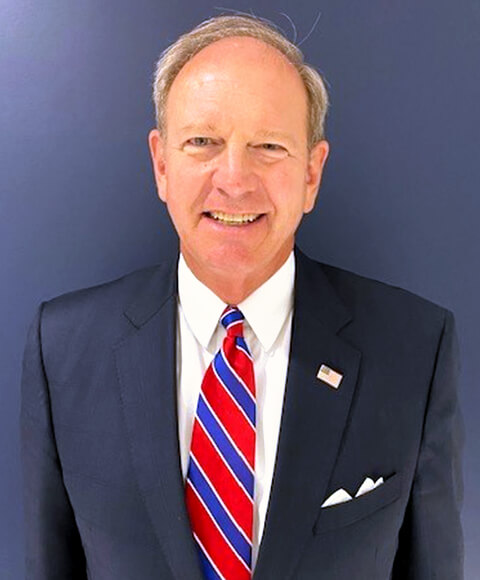
William “Bill” Hudson is a partner in the law firm of Tully Rinckey where he focuses his practice on military and Veterans law, security clearance and national security, federal employment, and Congressional investigations. Prior to joining the firm Bill served as president and CEO of Hudson Consulting. He also served as the Acting General Counsel to the Department of Veterans Affairs from 2019-2021, and from 2010-2019 served as the Deputy General Counsel and Director of Congressional Investigations in the Office of the General Counsel, Department of Defense. Bill retired from the United States Army in 2010 as a Colonel with over 27 years of active-duty service in the Army’s Judge Advocate General’s Corps and experienced in all matters of military and criminal law.