
Risky Business: Marijuana-Related Investments & Business Ventures Could Jeopardize Your Security Clearance
Despite widespread legalization at the state level and recent developments at the federal level, recreational marijuana is currently classified as an illegal Schedule I substance…

Beware Kratom, Gas Station Drugs and Supplements: Career Risks for Military
When you check out at the gas station, you probably don’t expect to see something that could ruin your military career by the register. Brightly packaged fruit-flavored gummies…

7 Deadly Sins for Security Clearance Holders and Applicants
This article was updated to reflect 2026 policy changes and national security developments. Obtaining a security clearance is required for any federal employees or contractors who…
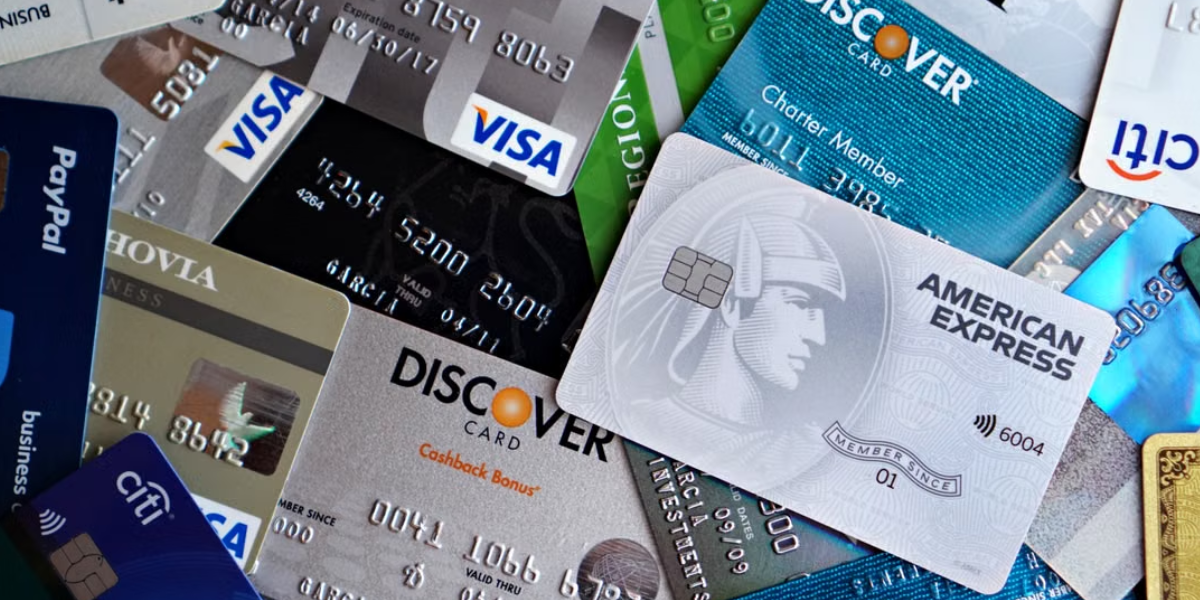
The Bottom Line of Guideline F: Your Personal Finances Impact Your Security Clearance Eligibility
Adopting a Lifestyle Compatible with Classified Work One of the more painful moments for a security clearance lawyer is watching Department Counsel, sworn to strip your client’s…
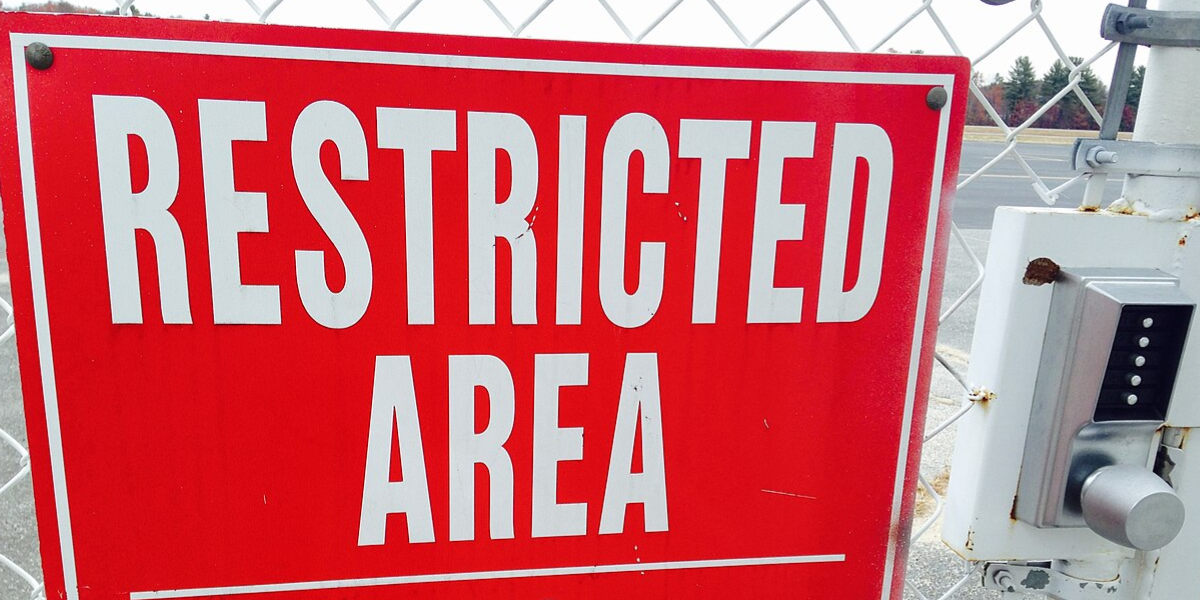
Can I Get Security Clearance Without a Sponsor? Getting Your Foot in the Door
When it comes to obtaining a security clearance, you absolutely must have a sponsor. A Security Clearance is not like a Driver’s License, which is issued to an individual who…

C-3 Canadian Citizenship and Your Security Clearance
When Canada passed Bill C-3 to amend the rules governing citizenship by descent, they probably weren’t concerned with the ensuing panic from American security clearance…
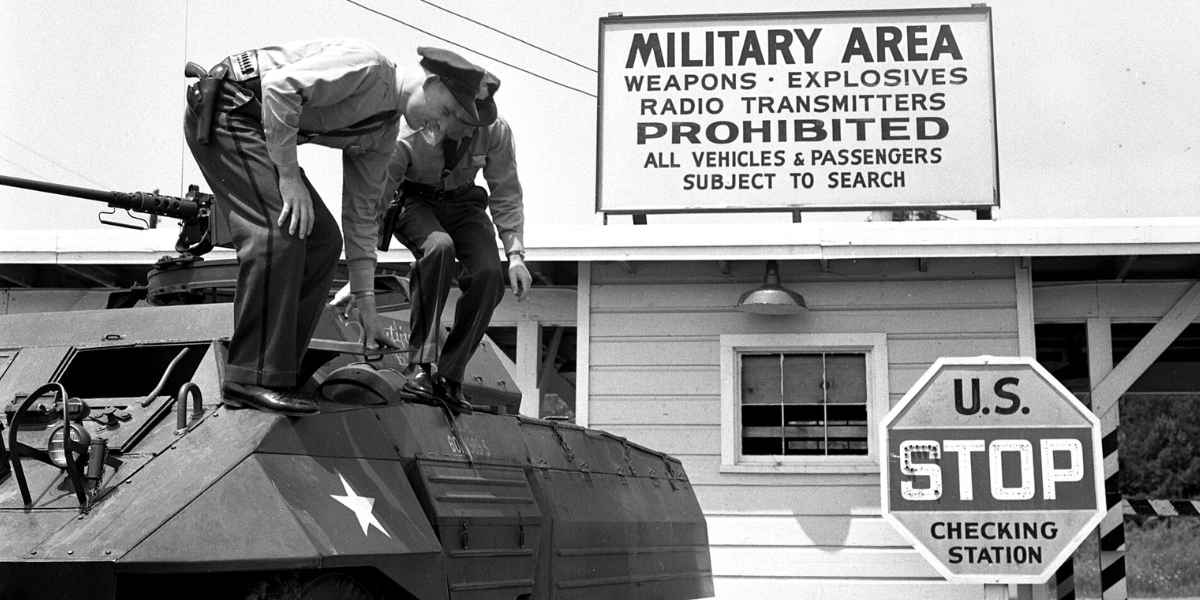
The Origins of SEAD-4: Defining and Working within The Circle of Trust
Signed by then Director of National Intelligence, James E. Clapper, in June 2017, SEAD-4 is the common regulatory rubric for all Executive branch elements with Security programs…

O (No) Canada: C-3 Canadian Citizenship and Security Clearance Eligibility
On December 15th, 2025, many Americans awoke to find themselves suddenly Canadian—myself included. Bill C-3 (An Act to Amend the Citizenship Act) extended Canadian citizenship…
Keeping Your Security Clearance After an Arrest
Things are not always black and white in security adjudications. A prime example is the question of whether a Guideline J, Criminal Conduct concern could follow any arrest, even…
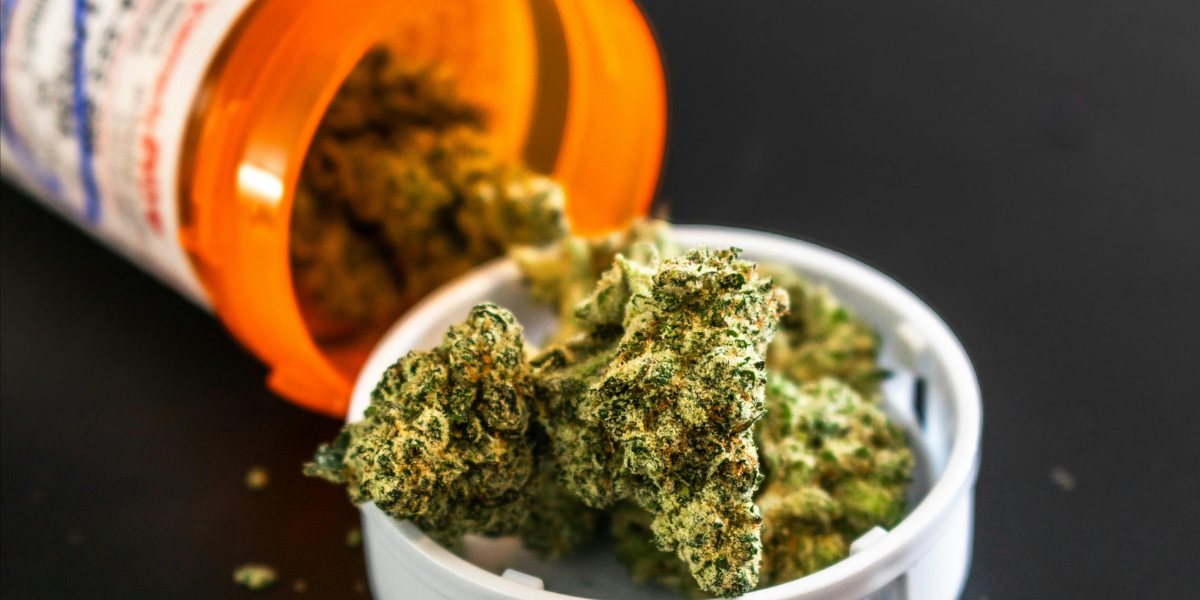
Uncertainty Remains: Rescheduling Hype & Medical Marijuana
Marijuana reclassification was a source of hype well before President Trump issued the executive order “Increasing Medical Marijuana and Cannabidiol Research” on December 18,…